


Opening a demat account and placing your first trade is the easy part — that’s mechanics, and once it’s done, it’s done. The harder, more permanent question is what you actually do with the account once it’s funded. That’s what this covers: not how to place an order, but how to decide what to do before you place one and how to invest in Stock Market.
Start With a Goal and a Timeline, Not a Stock
“I want to invest in the stock market” isn’t a plan — it’s a feeling. A plan sounds more like “I want ₹5 lakh in 7 years for a down payment” or “I want this money growing for 25 years until retirement, and I won’t touch it before then.” The timeline you attach to the money changes almost every decision after it: how much volatility you can tolerate, whether individual stocks even make sense for you yet, and how you’ll react the first time your portfolio drops 15% in a month.
Decide Your Vehicle: Direct Stocks, Mutual Funds, or Both
Picking individual stocks requires ongoing research — reading financial statements, following company news, understanding the business well enough to judge if the price still makes sense. Mutual funds hand that research to a fund manager in exchange for a fee, which is a completely reasonable trade if you don’t have the time or interest to do it yourself. Most people who invest successfully for decades use both: funds for the bulk of long-term savings, individual stocks for a smaller portion they’re genuinely willing to research.
Neither path is “more serious” than the other. The mistake is picking individual stocks because it feels more exciting, not because you actually have the time to do the work it requires.
Lump Sum or SIP?
If you already have a chunk of money sitting in a bank account earning almost nothing, investing it in one lump sum is mathematically often the stronger choice, since markets rise more often than they fall over any long stretch. But if you’re investing from your monthly income, a Systematic Investment Plan (SIP) — a fixed amount going in on a fixed schedule — removes the temptation to time the market, which is a game even professionals rarely win consistently.
A Basic Framework for Evaluating Any Stock Before You Buy
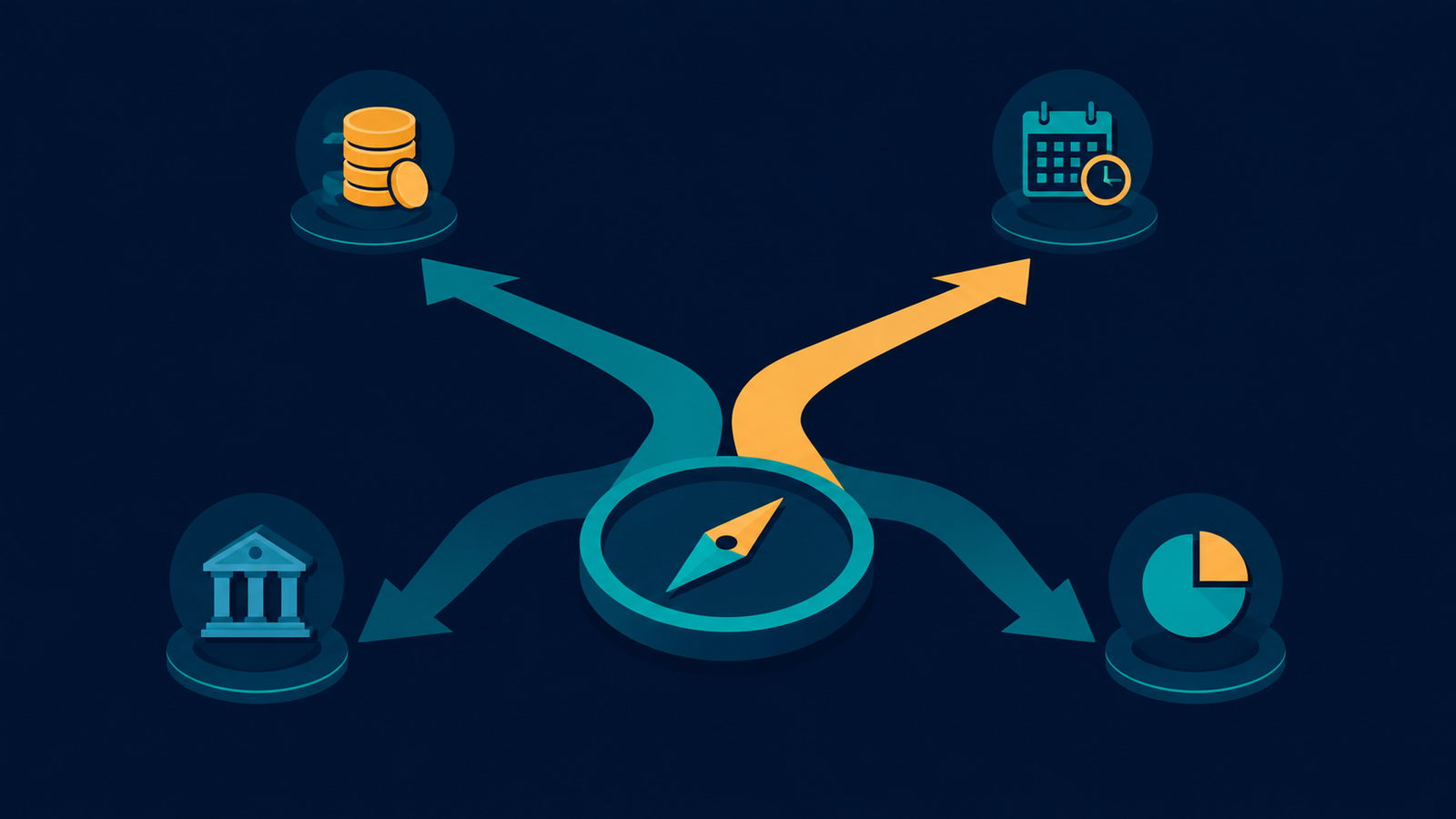
Before buying a single share, you should be able to answer four questions in plain language, without jargon standing in for actual understanding:
- What does this company actually sell, and to whom? If you can’t explain the business in one sentence, you don’t understand it well enough to hold through a bad quarter.
- Is it currently profitable, or is there a credible, specific path to profitability? “Growth” alone isn’t an answer — growing losses are still losses.
- How does it compare to its direct competitors? A mediocre company in a strong industry can still be a poor investment if better options exist at similar prices.
- Why is it priced the way it is right now? The same company can be a good buy at one price and a poor one at a higher price — the business doesn’t change, but what you’re paying for it does.
Diversification Isn’t Just a Buzzword
Putting your entire investment into one stock, however confident you are, means a single bad quarter or scandal can undo years of gains. Spreading investments across different companies and sectors doesn’t guarantee returns — nothing does — but it means no single mistake or piece of bad luck can wipe out the whole plan.
Strategy isn’t picking the stock that goes up the most. It’s building a plan that survives being wrong some of the time.
Strategy Mistakes That Quietly Wreck Returns
Beyond the well-known beginner errors, a few strategic habits do slow, compounding damage: chasing whatever sector performed best last year, selling winners too early out of anxiety while holding losers too long out of hope, and checking the portfolio daily in a way that turns a long-term plan into a series of short-term emotional reactions. None of these show up as a single bad decision — they show up as years of underperformance that’s hard to trace back to any one moment.
Review, Don’t Constantly Trade
A long-term strategy still needs occasional maintenance — checking every six or twelve months whether your goals, timeline, or the reasons you bought something have actually changed. That’s different from checking prices daily. Reviewing is deliberate; reacting to every daily move is how a long-term plan quietly turns into short-term trading without you ever deciding it should. The goal isn’t to trade less because trading is bad — it’s to make sure every trade you do make is a decision, not a reflex.
If you haven’t actually opened an account yet, our beginner’s guide covers that groundwork — this piece assumes you’re past that stage. And before you place your next trade, our list of trading rules is worth a read if you haven’t already gone through it.
SEBI also runs its own investor education initiatives, including material aimed specifically at first-time retail investors — worth exploring directly on their site alongside anything you read here.
Frequently Asked Questions
How much should a beginner invest in stocks versus mutual funds?
There’s no universal ratio, but many beginners start with mutual funds for the bulk of their investing and add individual stocks gradually, only once they’ve built the habit of researching before buying.
Is SIP better than investing a lump sum?
Neither is universally better — SIP suits money you’re investing from ongoing income, while a lump sum you already have often performs better invested immediately rather than staggered, purely because markets trend upward more often than not over long periods.
How often should I check on my investments?
Far less often than most beginners assume. A structured review every six months to a year is typically enough for a long-term strategy; daily price-checking tends to trigger reactions that work against the plan rather than for it, even when nothing about the underlying business has actually changed.
The Bottom Line:
If you are tired of waiting for UPI mandates to arrive on your phone or chasing customer support for delayed IPO refunds, it is time to switch to traditional Net Banking ASBA. It is secure, incredibly reliable, and keeps your hard-earned money strictly under your control.
Financial Disclaimer: The information provided in this article is for educational and informational purposes only and does not constitute financial advice. SME investments carry high structural and liquidity risks. Always consult with a SEBI-registered investment advisor before deploying capital into the markets.

